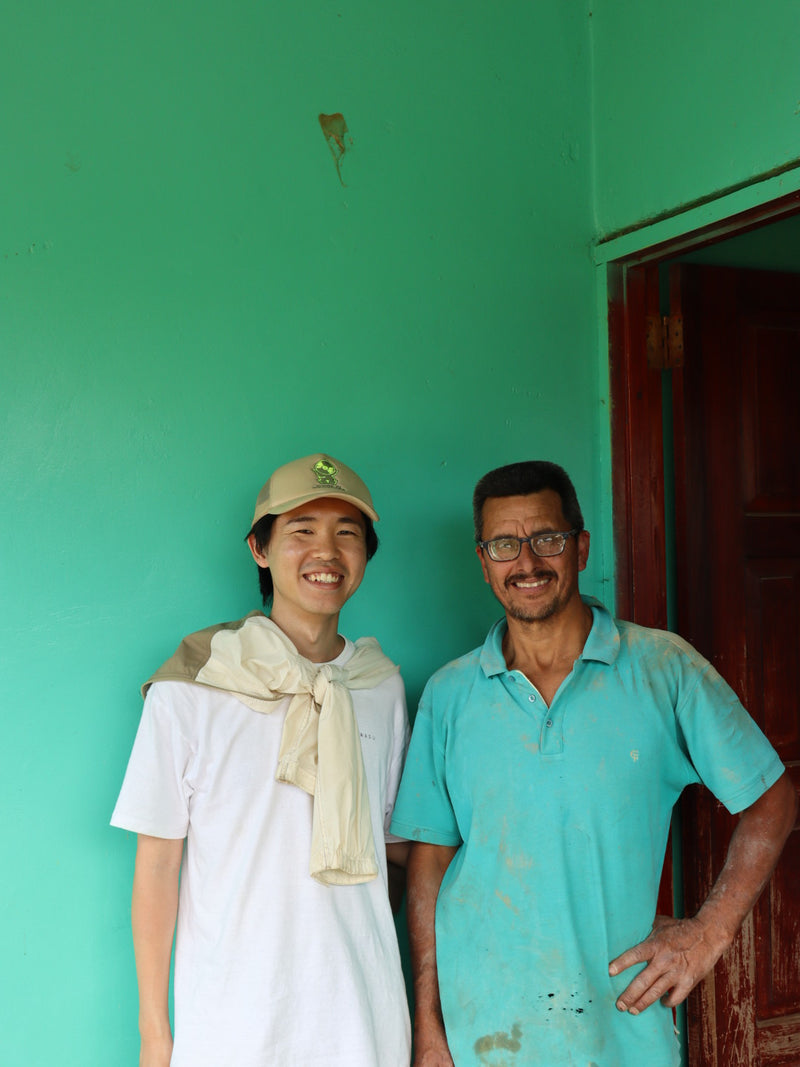
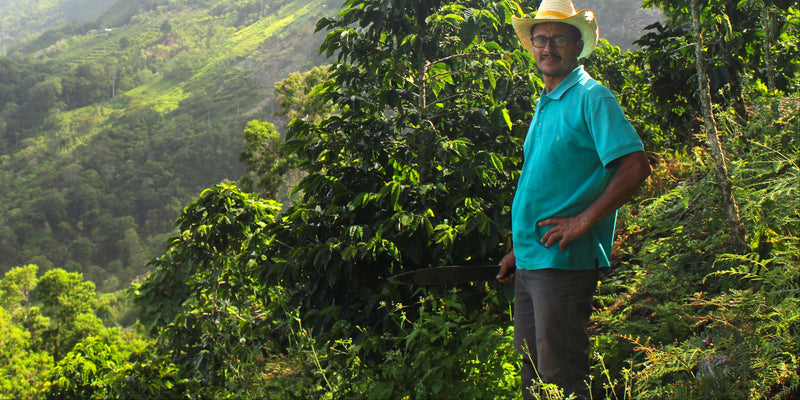
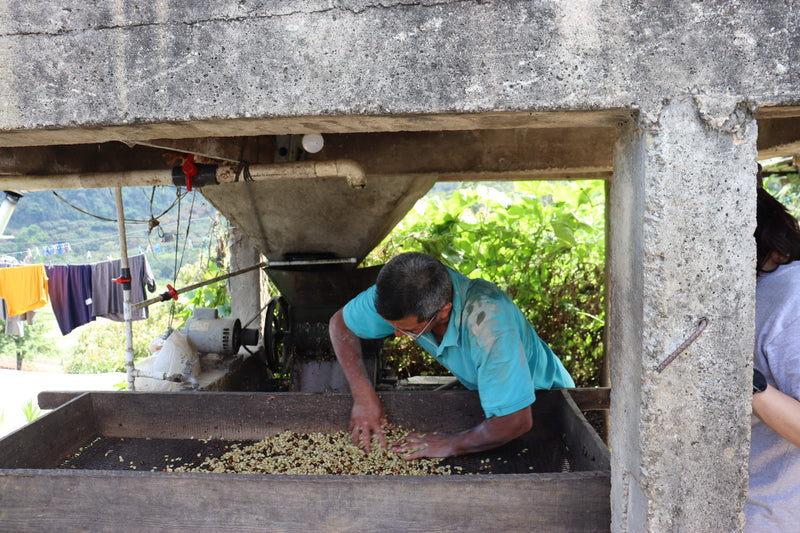
Norman-san’s Pacas from Santa Barbara, Honduras!
This coffee was originally released as a subscription exclusive, but we’re now offering a small quantity for general release.
It features a pleasant fruitiness reminiscent of apricot and yellow fruits, with a smooth, silky texture. The finish carries a rounded, umami-like depth, somewhat reminiscent of gyokuro green tea.
It’s not about standout or flashy flavors—instead, what makes this coffee special is the beautiful flow from the first sip to the lasting aroma after you swallow. It’s the kind of cup you find yourself finishing before you even realize it.
Personally, this is the kind of coffee I’d want to drink every day- the kind that gently sinks in and warms you from within.
Highly recommended.


![Honduras Norman Castellanos [Light Roast]](http://kurasu.pro/cdn/shop/files/image_Beans_Single_Honduras-Norman-Castellanos-2026_2048x.jpg?v=1778641670)
![Honduras Norman Castellanos [Light Roast]](http://kurasu.pro/cdn/shop/files/HondurasNormanCastellanos_2048x.jpg?v=1778641471)
![Honduras Norman Castellanos [Light Roast]](http://kurasu.pro/cdn/shop/files/HondurasNormanCastellanos-100_2048x.jpg?v=1778641686)
![Honduras Norman Castellanos [Light Roast]](http://kurasu.pro/cdn/shop/files/image_Beans_Single_Honduras-Norman-Castellanos-2026_set_2048x.jpg?v=1778641700)
![Honduras Norman Castellanos [Light Roast]](http://kurasu.pro/cdn/shop/files/IMG_5789_2048x.jpg?v=1778641716)
![Honduras Norman Castellanos [Light Roast]](http://kurasu.pro/cdn/shop/files/IMG_3240_2048x.jpg?v=1778641737)
![Honduras Norman Castellanos [Light Roast]](http://kurasu.pro/cdn/shop/files/IMG_5768_2048x.jpg?v=1778745963)
![Honduras Norman Castellanos [Light Roast]](http://kurasu.pro/cdn/shop/files/IMG_5777_2048x.jpg?v=1778641767)
![Honduras Norman Castellanos [Light Roast]](http://kurasu.pro/cdn/shop/files/IMG_3255_2048x.jpg?v=1778641787)